STEEL PIPE COATING
APPLICATIONS
For over thirty years, our work has focused on the development of polyolefin systems for the external anti-corrosion coating of steel pipes intended for pipelines transporting gas, oil, water, hydrogen, and carbon dioxide (CO₂).

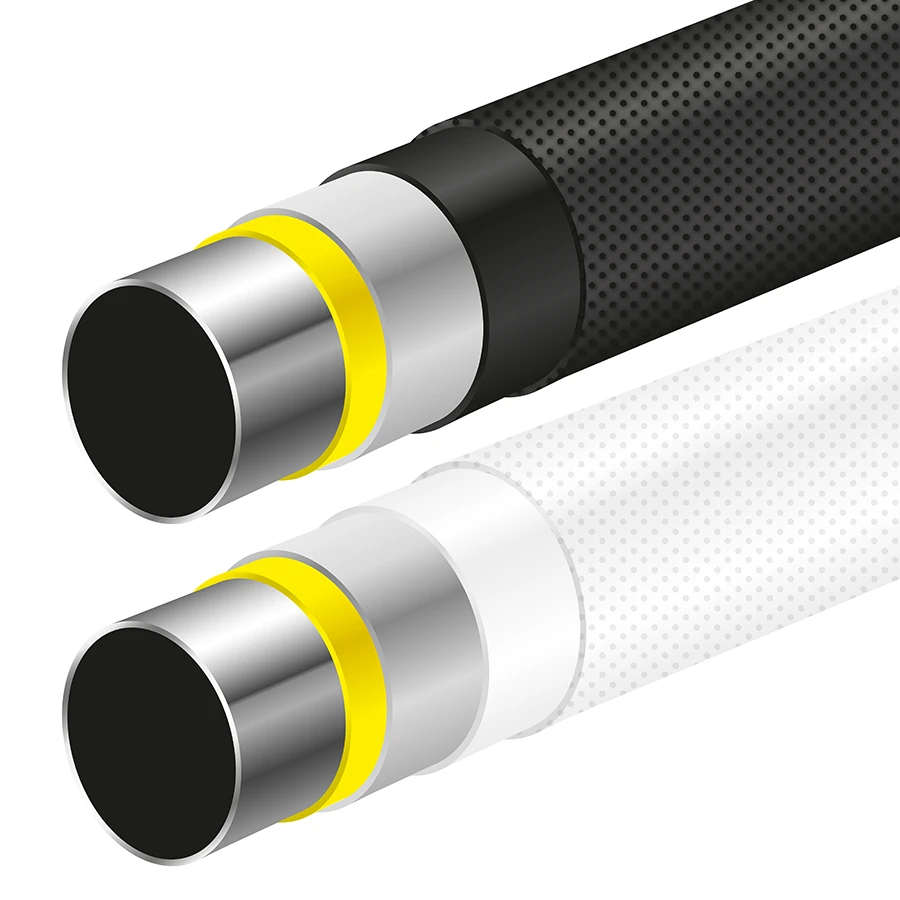
3LPE & 3LPP
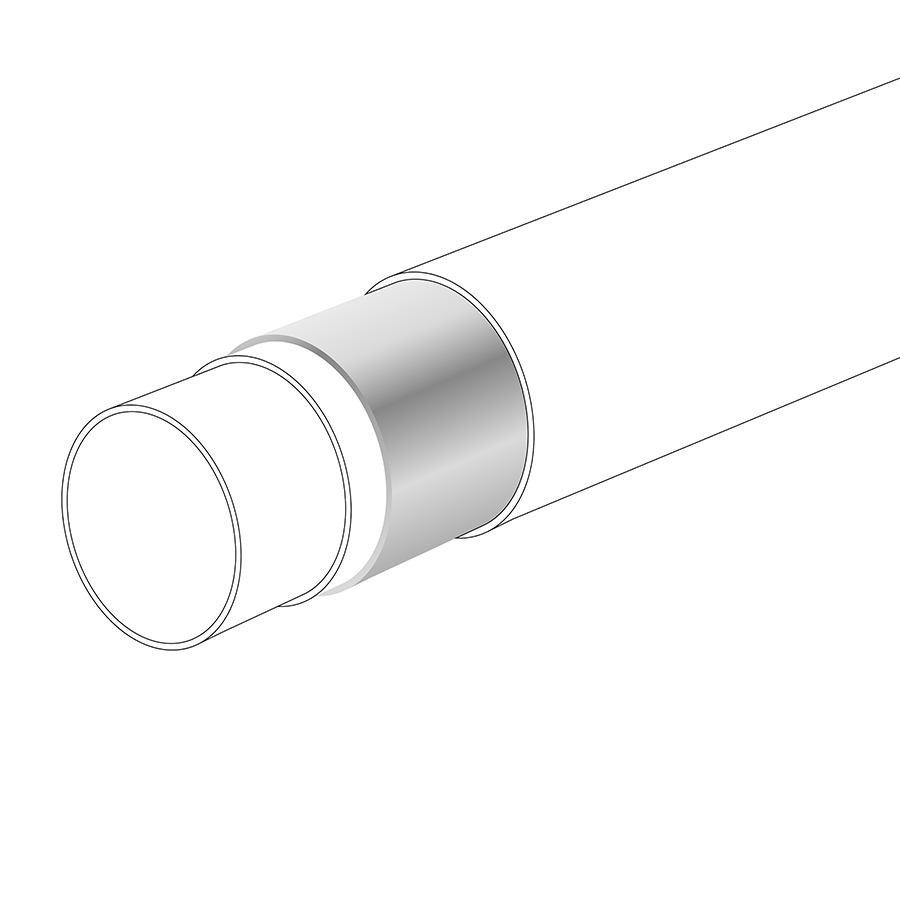
Traditional and well-established solutions, with a track record that in the case of PE dates back as far as the 1990s, are now offered in their most evolved versions thanks to the use of high-performance adhesives, continuously optimized over time, and highly reliable top coats.
The flexibility and constant commitment of MPB in the sector have made it possible, over the years, to develop and integrate into its portfolio numerous variants of adhesives and top coats, both for PE and for PP, thus offering Customerss the possibility to choose the solution best suited to the specific requirements of their plants.
4LPE, 4LPP
ROUGH COATING
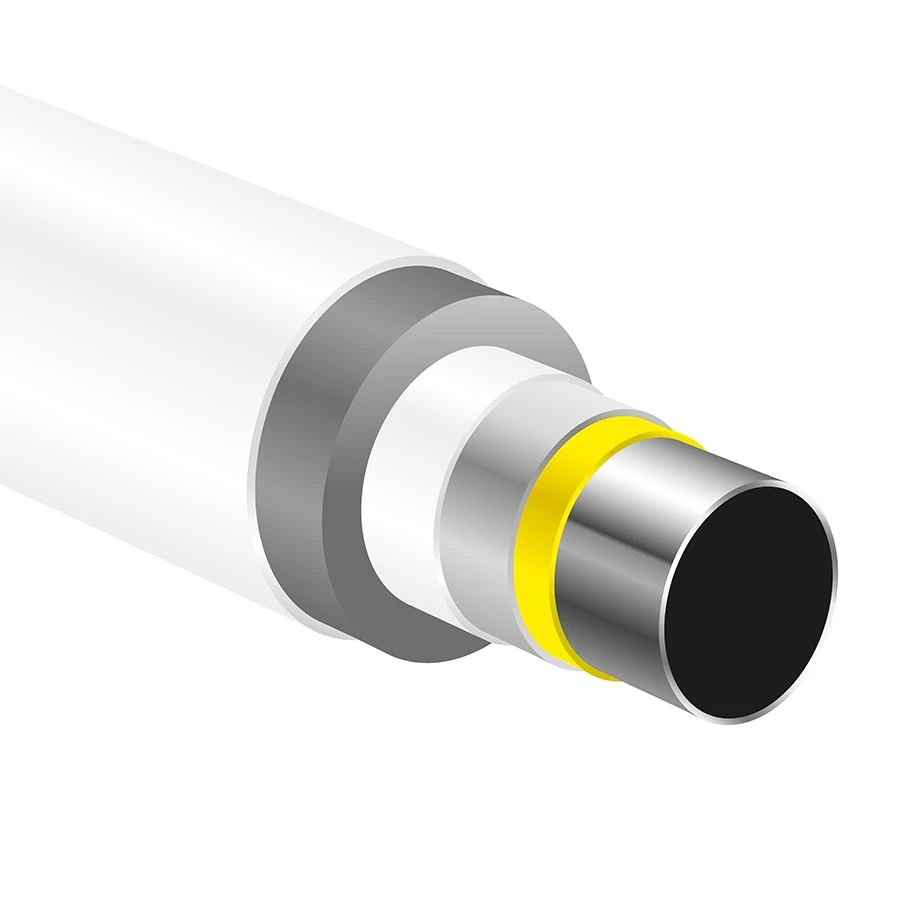
When coated pipes (3LPE or 3LPP) need to be weighted in order to be easily laid on the seabed in off-shore projects, a thick concrete layer is frequently applied to them. To increase the adhesion of the cement to the pipes, they are first “roughened” by applying polyethylene powder.
This is referred to as the “fourth layer,” of the 4LPE or 4LPP structure.
MPB, unlike other players who pulverize HDPE rotomoulding grades, has engineered a powder specifically for this application, taking into careful consideration the critical aspects of the process and the needs of the coating plants.
MPB roughening powders, although they immediately adhere to the surface of the PE coating on the pipe, do not fully melt, ensuring the necessary roughness to guarantee perfect adhesion of the cement onto the pipes.
Furthermore, and very importantly, the powder is NOT immediately washed away upon contact with the abundant flow of water that hits the pipes inside the cooling tunnel. This characteristic is highly appreciated by the coating plants because – besides ensuring a higher product quality – it prevents large amounts of powder from clogging the closed water circuit filters, significantly reducing machine downtime and maintenance costs.
5LPP
Syntactic PP
MPB has been producing both adhesives and top coats in PP for many years.
Following explicit requests from some Customerss, MPB has recently developed a specific compound for the “fourth layer” – made of syntactic PP – which is the most critical for this particular application, dedicated to offshore pipelines for depths up to 3000m and fluid temperatures up to 140°C.
The grades in question are equivalent in terms of performance but, being produced with different raw materials, allow MPB to guarantee service to its Customerss even in case of supply difficulties of one of the base polymers.
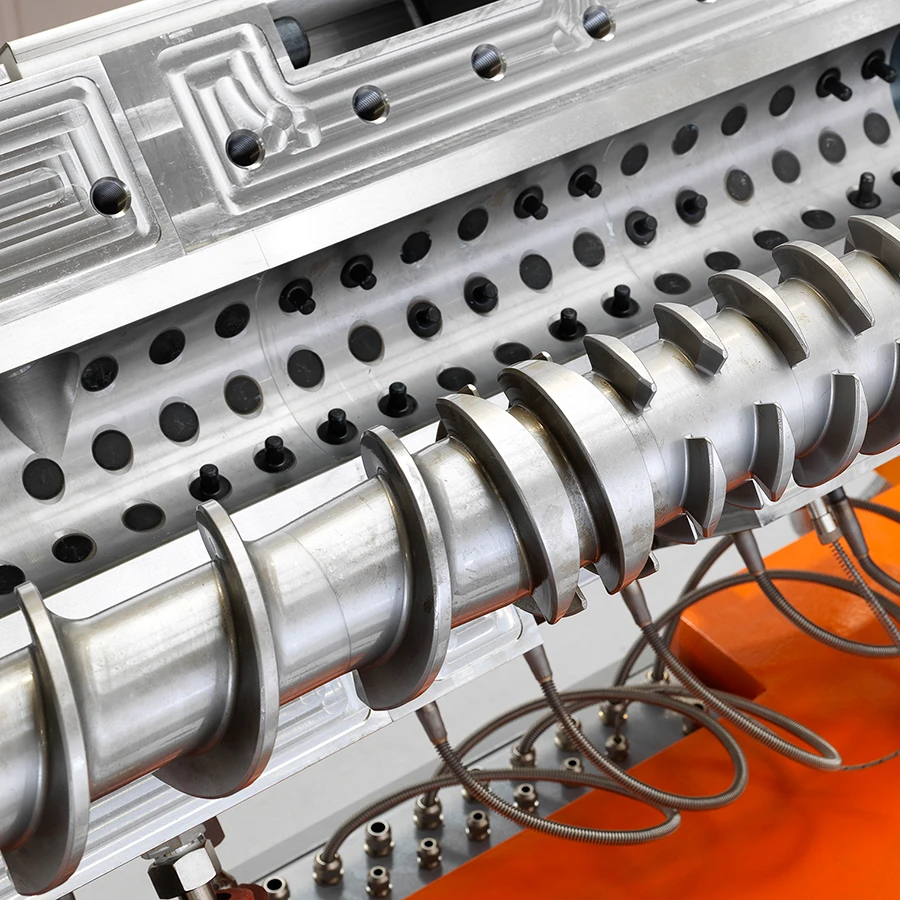
This is possible thanks to the Company’s strong commitment to Research and Development, activities that have received a significant boost following the installation at MPB of a Pilot Plant for the external coating of steel pipes, purchased from Selmers (leader in the engineering and construction of plants dedicated to the sector), unique in the world of its kind. This equipment is extremely valuable for various functions, particularly among them, improving the performance of existing grades and developing new materials.
FIELD JOINTS
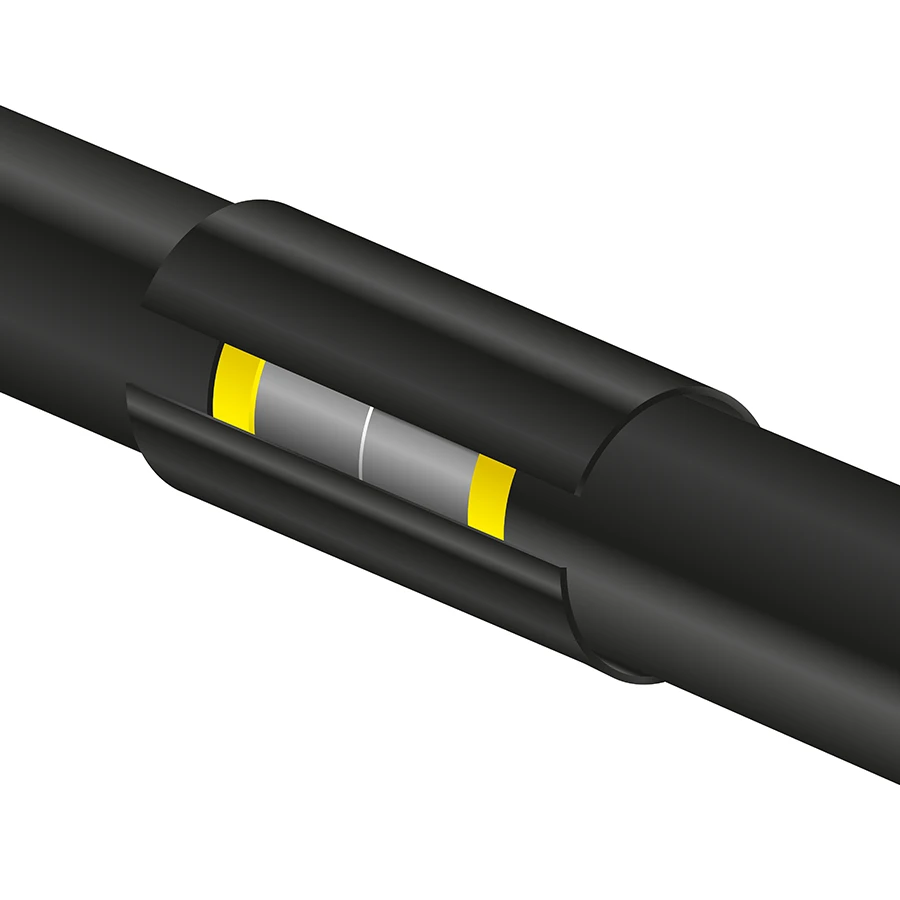
The operation of external coating of the pipe ends which, during installation, are placed together to be welded, is known as a “Field Joint”; at the initial stage of installation, this part of the pipes is not coated, and therefore the post-welding coating operation is delicate and critical for the reliability and durability of the entire pipeline.
MPB produces powder adhesives and top coats for the coating of field joints, which can be applied interchangeably using either “flock spray” or “flame spray” technology.
A PP top coat in pellet form, applicable by injection molding, is also available.